Residential Drug & Alcohol Rehab Center in Beverly Hills, CA
Nestled in the heart of Beverly Hills, our residential inpatient drug & alcohol rehab center offers a serene and private environment where healing takes center stage. We understand that recovery is a deeply personal journey, and our mission is to provide compassionate, evidence-based care that addresses both the physical and emotional aspects of addiction. With a focus on individualized treatment plans, our center supports each client in reclaiming control over their life and building lasting wellness.
Our dedicated team of medical professionals, therapists, and support staff combines clinical expertise with a warm, empathetic approach to ensure every resident feels seen, heard, and supported. From medically supervised detox to comprehensive therapy programs, we offer a full continuum of care designed to promote sustainable recovery. Located in the vibrant yet tranquil setting of Beverly Hills, our facility provides a safe, comfortable space for individuals to heal, grow, and reconnect with their true potential.
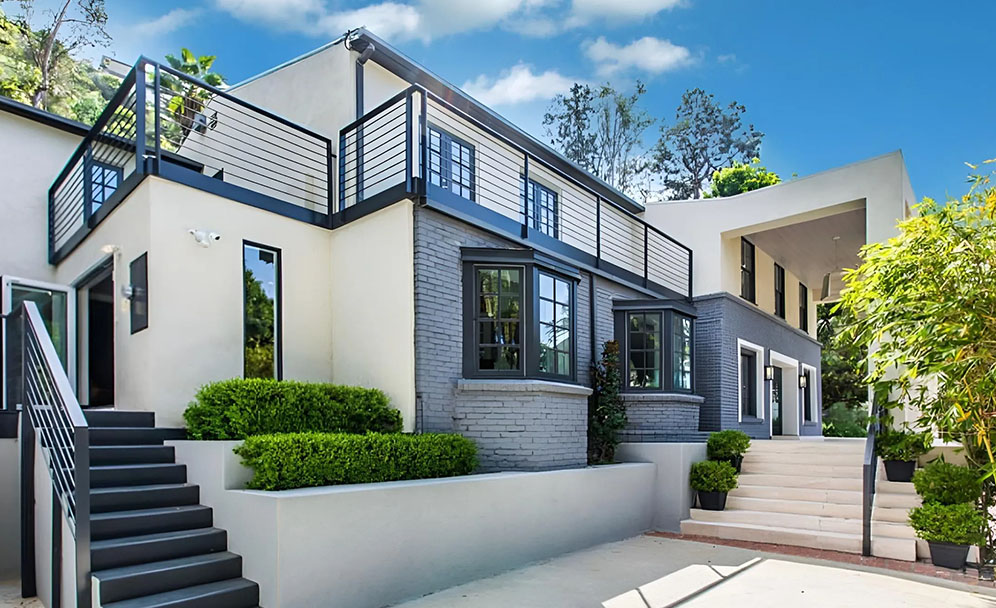
What's Included in Program?
Our residential treatment program provides a safe and comfortable setting for individuals to focus on recovery while accessing expert care tailored to their needs.
Levels of Care
- Detox
- Residential Treatment
Benefits of Program
- Comprehensive Daily Support
- Detox and Recovery Expertise
- Peaceful Healing Environment
- Personalized Therapy Sessions
Duration of Stay
While a typical stay is at 30 days, the length of stay is flexible, allowing each individual to progress at a pace that ensures long-term success.

Who Is This Program For?
This program is ideal for individuals who require a supportive setting away from daily life to tackle addiction head-on. Whether you’re facing long-term substance abuse or need space to recover from acute addiction crises, this program is designed for your needs.
It’s especially suited for those who benefit from personalized care, ongoing support, and a serene place to rebuild their lives.
Call Now for Program Availability
Get a confidential consultation and explore your options. Our friendly support team is here to help.
Faith Recovery Provides Individual Residential Treatment in Beverly Hills, CA
Beating addiction can be hard. It’s not something that most people can do on their own.
Some people find that they can break the pattern of substance abuse with the help of family and friends. Others find that outpatient or 12 step programs can help them to make the change they need.
However, there are some people who need some extra help and support to get through the process of addiction recovery.
Residential addiction therapy and substance abuse treatment means there’s always a professional on hand when you need them. Whether it’s a physical symptom related to detoxing or the mental support you need to work through difficult thoughts and feelings, you will find them here.
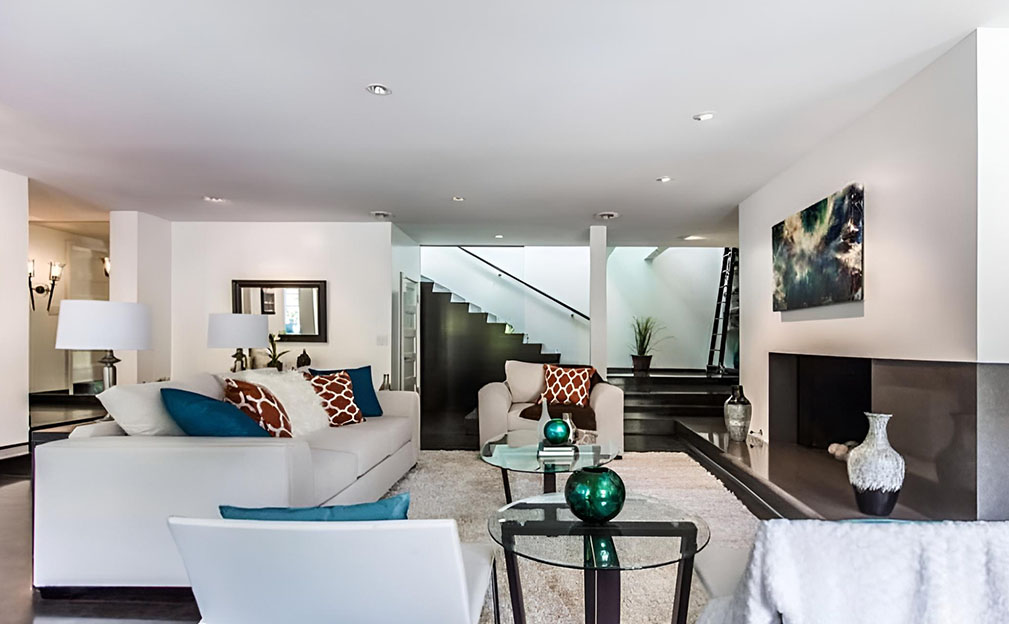
Faith Recovery in Beverley Hills is comfortable and well appointed. It’s located in a quiet, peaceful corner with wonderful gardens and city views. Which means it’s the perfect place to take the time you need away from everyday life.
So, if you or your loved one need a little more help, support and time away from your day to day, you can find it all right here.
Recovery from addiction is possible, and there is life after substance abuse. Never be afraid to admit that you need the extra support a residential addiction therapy program offers.
What is Residential Treatment for Addiction?
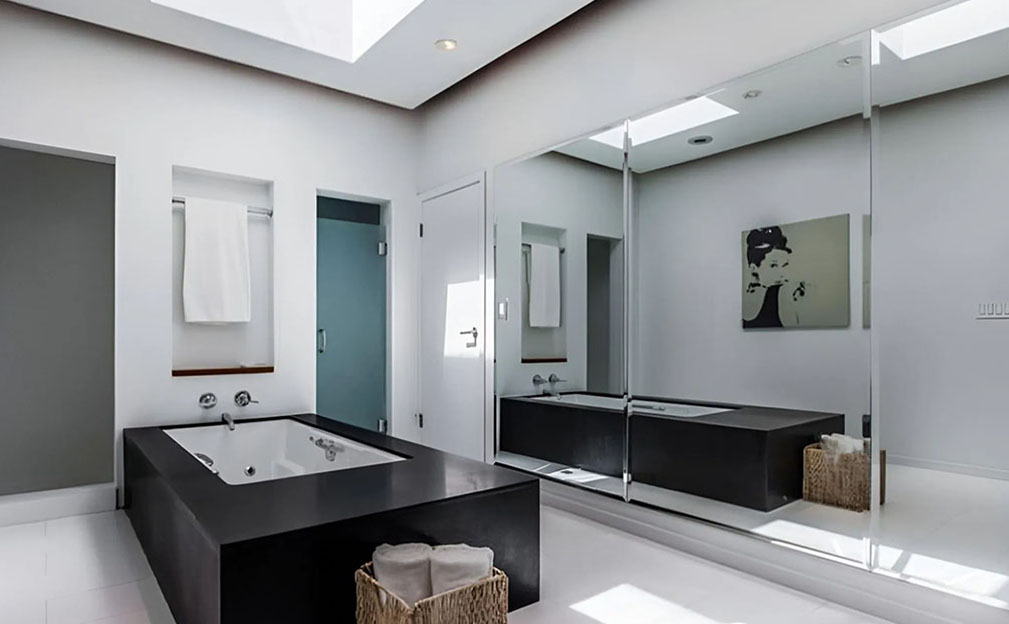
Residential treatment for addiction is a structured, live-in program designed to help individuals overcome substance use disorders in a safe and supportive environment. Unlike outpatient programs, where patients live at home and attend therapy sessions, residential treatment provides 24/7 care, allowing clients to focus entirely on recovery without everyday distractions or triggers.
Sometimes, when you or someone you love are struggling to beat addiction or substance abuse problems, you reach a point of acute crisis.
This is a short term situation, but it’s one that cannot be managed successfully in your own home.
In cases like this, Faith Recovery in Beverley Hills, California welcomes patients for a shorter inpatient stay. We help them to work through the rough patch in their recovery and give them the tools they need to stay the course.
Residential treatment is not usually a long stay, but often, it makes all the difference for our patients and their families. In many cases, the hardest parts of substance abuse recovery are shorter and more intense and having the right kind of support when they happen helps our patients to stay the course.
Healing from addiction is rarely a smooth path – or a straight one. However, if you get the right kind of help when you need it, it’s a lot easier to stay on track for a long, healthy, lasting recovery.
Why is Residential Treatment Important?
While some people find that a shorter inpatient stay at Faith Recovery Beverly Hills can help them through acute stages of addiction recovery, there are some people who need a little more help.
Sometimes, it’s because our patients need to get away from bad influences in their lives for a little longer. Sometimes, it’s because they don’t have a safe place to stay where they are supported as they need to be.
Whatever the reason, a longer residential stay at Faith Recovery Beverly Hills might be what you or your loved one need to make the change you need to make.
Residential addiction treatment gives patients the space and peace they need in our beautiful and well-appointed facility. We have all the physical, mental and emotional support and amenities they need to find their way back to the person they were before addiction changed their lives.
So, no matter what kind of support you or your loved one need, and no matter how long you need it for, a residential program at Faith Recovery Beverly Hills will give you the safe place you need to heal and start building a healthy, happy, sober life.
Inpatient and Residential Treatment Difference
In some ways, inpatient and residential treatment are similar. Most notably because in both cases, patients spend time at our facility, getting treatment and care from our team of addiction treatment professionals.
However, inpatient treatment is generally a much shorter stay, and is usually used when patients are in crisis or have an acute addiction related episode to deal with.
Inpatient treatment is more focused on treating the physical and mental aspects of these crises and can be a more clinical experience. That’s not to say that our team is any less caring or supportive. It just means that we are focused on active, intense treatment of the problem that brought the patient to us.
Residential treatment for addiction and substance abuse is often a lot longer and can even be an open ended process.
Patients who stay with us for residential treatment usually progress from their initial detox and intensive treatment to a more relaxed, casual experience that might include a variety of complementary therapies.
During residential treatment, patients will often move out of active addiction, and spend a lot more time developing long term coping and recovery strategies. Which means that when they are ready to go back out into the world, they have more tools at their disposal.
Both inpatient and residential treatment programs are very important in the addiction recovery process, and if you are not sure which one is right for you or your loved on, our team can help. Talk to us about your needs and situation and let us match you with the right kind of substance abuse program.
What Happens During Residential Treatment for Addiction?
Residential treatment provides a structured, immersive environment where individuals focus entirely on recovery. From the moment someone enters the program, their care is personalized and holistic, addressing both the physical and emotional aspects of addiction.
- Assessment and Intake
- Each resident undergoes a comprehensive evaluation, including medical history, substance use patterns, and mental health screening.
- This step ensures the development of an individualized treatment plan tailored to the person’s needs and goals.
- Medical Detox (if needed)
- For clients dependent on substances, medically supervised detox helps manage withdrawal symptoms safely.
- Detox is closely monitored by healthcare professionals to ensure comfort and safety.
- Therapy and Counseling
- Residents participate in individual therapy, group counseling, and sometimes family therapy.
- Evidence-based approaches such as Cognitive Behavioral Therapy (CBT), Dialectical Behavior Therapy (DBT), and motivational interviewing help address the root causes of addiction.
- Skill-Building and Life Coaching
- Residents learn coping strategies, stress management, and relapse prevention skills.
- Programs often include life skills, mindfulness practices, and healthy lifestyle routines to support long-term sobriety.
- Peer Support and Community
- Living with others in recovery creates a supportive community, reducing isolation and providing accountability.
- Sharing experiences in a safe environment helps residents feel understood and motivated.
- Aftercare Planning
- Before leaving the facility, residents work with counselors to develop an aftercare plan.
- This includes ongoing therapy, support groups, and relapse prevention strategies to maintain long-term recovery.
The following is an example of what a day in rehab might be like:
- 6:30 AM: Wake-Up & Morning Routine – Personal hygiene, making the bed, light stretching, optional mindfulness
- 7:00 AM: Morning Meditation / Mindfulness – Guided meditation or breathing exercises
- 7:30 AM: Breakfast – Nutritious meal and community interaction
- 8:30 AM: Individual Therapy Session – One-on-one counseling with a licensed therapist
- 9:30 AM: Group Therapy – Evidence-based therapy (CBT, DBT, addiction-focused) and peer support
- 11:00 AM: Wellness Activity / Exercise – Yoga, fitness, or outdoor walk
- 12:00 PM: Lunch – Balanced meal, optional nutrition counseling
- 1:00 PM: Educational Workshop / Life Skills – Relapse prevention, coping strategies, communication skills
- 2:30 PM: Art / Music Therapy or Holistic Session – Creative or holistic therapy for emotional well-being
- 3:30 PM: Individual Therapy / Check-ins – Second individual session or personal reflection with counselor
- 4:30 PM: Recreational / Peer Activities – Group activities to foster connection and relaxation
- 5:30 PM: Dinner – Healthy meal and community gathering
- 6:30 PM: Evening Group Therapy / Family Session – Family counseling or evening support group
- 8:00 PM: Reflection / Journaling – Quiet time for personal reflection and mindfulness
- 9:00 PM: Leisure / Relaxation – Reading, meditation, or light activities to wind down
- 10:00 PM: Lights Out / Sleep – Ensures adequate rest for recovery
Benefits of Residential Treatment
- 24/7 Structured Environment – Provides a safe, distraction-free space for focused recovery.
- Comprehensive Medical Support – Access to medically supervised detox and ongoing health monitoring.
- Individualized Treatment Plans – Therapy and programs tailored to each person’s unique needs.
- Evidence-Based Therapies – CBT, DBT, group therapy, and other proven methods to address addiction.
- Peer Support and Community – Living alongside others in recovery fosters connection, accountability, and encouragement.
- Holistic Healing – Incorporates wellness practices, mindfulness, fitness, and life skills development.
- Emotional and Mental Health Care – Addresses co-occurring disorders and underlying causes of addiction.
- Relapse Prevention – Teaches coping strategies, stress management, and long-term recovery skills.
- Privacy and Confidentiality – Ideal for those seeking discreet, secure care.
- Aftercare Planning – Ensures continuity of care and support after leaving the facility.
Signs Residential Rehab is Right for Me
Signs residential rehab may be right for you or your loved one may include:
- Struggling to Quit on Your Own – Repeated attempts to stop using drugs or alcohol have been unsuccessful.
- Severe or Long-Term Addiction – Substance use is significantly impacting your health, relationships, or work.
- Frequent Relapses – Outpatient treatment or support groups alone haven’t been enough to maintain sobriety.
- Need for 24/7 Support – You require constant supervision and structure to safely manage cravings and triggers.
- Co-Occurring Mental Health Issues – Anxiety, depression, or other mental health conditions complicate recovery.
- Lack of a Safe Home Environment – Returning home might expose you to triggers, stress, or enabling behaviors.
- Desire for Comprehensive, Focused Treatment – You want an immersive program that addresses both emotional and physical aspects of addiction.
- Motivation for Long-Term Recovery – You’re ready to commit fully to changing your lifestyle and building sustainable sobriety.
While residential rehab is highly effective for many individuals, it may not be the ideal level of care for everyone. For those with mild or early-stage substance use issues, outpatient programs or intensive outpatient treatment (IOP) may provide sufficient support without requiring full-time residential living. Individuals who have strong support systems at home, stable routines, and the ability to maintain sobriety in their everyday environment may also benefit more from outpatient care. Additionally, residential treatment can be more costly and time-intensive, which may not fit everyone’s personal or professional circumstances. Ultimately, the right level of care depends on the severity of the addiction, co-occurring mental health conditions, and the individual’s ability to safely and successfully engage in recovery outside of a residential setting.
How Long Does Residential Treatment Last?
The length of a residential treatment program can vary depending on the individual’s needs, the severity of their addiction, and the specific facility. Most programs offer 30, 60, or 90-day options, with some extending to six months or longer for those with more complex cases. Shorter programs may focus on stabilization and early recovery, while longer stays provide the time needed to address underlying emotional, psychological, and behavioral issues. Treatment duration is often flexible and adjusted as progress is made, ensuring that each resident receives the level of care necessary to build a strong foundation for long-term sobriety.
Does Insurance Cover Residential Rehab Programs?
Yes, many residential rehab programs are partially or fully covered by health insurance, depending on your plan and the specific treatment facility. Most major insurance providers recognize addiction treatment as a medically necessary service, which can include detox, therapy, counseling, and residential care. Coverage often varies based on factors such as plan type, deductibles, co-pays, and the length of stay. Some facilities also offer insurance verification and assistance to help clients navigate benefits and maximize coverage. Even if insurance doesn’t cover the full cost, many centers provide financing options or sliding-scale fees to make residential treatment more accessible.
How Effective is Residential Rehab Treatment?
Residential rehab treatment is widely recognized as one of the most effective approaches for overcoming moderate to severe substance use disorders. Its effectiveness comes from the structured, immersive environment, which allows individuals to focus entirely on recovery without outside distractions or triggers. Evidence-based therapies, individualized treatment plans, and 24/7 professional support help clients address both the physical and psychological aspects of addiction. Research and clinical experience show that those who complete residential programs have higher rates of sustained sobriety compared to outpatient treatment alone, especially when combined with aftercare and ongoing support. Success also depends on the individual’s engagement, willingness to learn new coping skills, and participation in follow-up care after leaving the program.
How to Choose the Best Residential Rehab Program in Beverly Hills, CA
When choosing the best residential rehab program in Beverly Hills, CA, it is important to evaluate both the quality of care and how well the program matches your individual needs. Start by verifying that the facility is properly licensed and accredited, which indicates it meets high standards for safety and treatment quality. Look into the qualifications of the staff, including licensed therapists, counselors, and medical professionals with experience in addiction and co-occurring mental health care. Assess the treatment approaches offered, including evidence-based therapies like CBT, DBT, and comprehensive aftercare support, rather than focusing only on amenities or luxury features. Consider whether the program accepts your insurance coverage, offers individualized care plans, and provides strong relapse prevention and aftercare planning to support long-term recovery. Touring facilities, asking detailed questions about their services, and comparing options will help you choose a residential rehab program that is both safe and aligned with your recovery goals.
What Happens After Residential Treatment?
After completing a residential rehab program, continuing support is crucial to maintain long-term recovery. Most programs provide an aftercare plan tailored to each individual, which may include outpatient therapy, support groups, and check-ins with counselors. Clients are encouraged to practice relapse prevention strategies, use coping skills learned during treatment, and maintain connections with supportive peers or family members. Some programs offer alumni programs or ongoing group sessions to help graduates stay accountable and motivated. The goal after residential treatment is to transition safely back into daily life while maintaining the structure, support, and tools necessary for sustained sobriety.
Call Now for Program Availability
Get a confidential consultation and explore your options. Our friendly support team is here to help.
We Accept Most Insurances